Bloom Energy Drink: Clean Caffeine & Zero-Sugar Boost
Introduction
What is bloom energy drink — and why is it getting so much buzz lately? Well, bloom energy drink is the ready-to-drink sparkling energy beverage from Bloom Nutrition, launched in 2024.
Bloom Nutrition is best known for its wellness supplements and superfood products. With the energy drink, they aimed to deliver a “cleaner,” more health-conscious alternative to conventional energy drinks — blending natural caffeine, prebiotic fiber, vitamins and botanical extracts.
It’s trending because many consumers now want more from their energy drinks than just a quick jolt. They prefer something lighter, sugar-free, with added wellness perks. bloom energy drink appears to meet that demand, and its aesthetic branding plus viral popularity (especially among wellness-conscious buyers) has helped it stand out.
What Makes Bloom Energy Drink Unique?
Brand Background
Bloom Nutrition launched bloom energy drink (or more precisely, Bloom Sparkling Energy) in July 2024 as its first ready-to-drink beverage.
The co-founders, including Mari Llewellyn, envisioned a product that helps people “bloom into their best selves,” combining taste, function, and healthier ingredients.
While previous versions of “Bloom Energy” existed (with juice + sugar) and were discontinued, the new sparkling version positions itself squarely as a sugar-free, wellness-forward beverage.
Target Audience
Bloom seems targeted at health-conscious individuals — those who want an energy boost but don’t want the sugar crash, excessive calories, or “junk” ingredients typical of traditional energy drinks.
It’s also likely aimed at young adults and busy professionals/students: people looking for a quick, convenient energy lift that also aligns with broader wellness or clean-living goals. The addition of prebiotics, vitamins, and botanical extracts signals that this is more than just a caffeinated soda.
Bloom Energy Drink Ingredients
Here’s a breakdown of what goes into bloom energy drink — and what those ingredients are purported to do.
According to the label of Bloom Nutrition Sparkling Energy, typical ingredients per 12-oz can include: carbonated water, citric acid, galactomannan prebiotic fiber, taurine, natural flavors, L-theanine, natural caffeine (from green coffee bean extract), preservatives (potassium benzoate and/or potassium sorbate), sucralose (sweetener), Asian ginseng root extract, patented lychee fruit extract & green tea leaf extract, apple cider vinegar, and added B-vitamins (niacinamide, pyridoxine HCl – vitamin B6, riboflavin, cyanocobalamin – vitamin B12).
Here’s what many of those are believed to do:
- Natural Caffeine (Green Coffee Bean + Green Tea Extract): The primary stimulant for energy boost. Using “natural” caffeine is often marketed as gentler — sometimes claimed to offer a smoother energy curve and fewer jitters compared to synthetic caffeine.
- L-Theanine: An amino acid commonly found in green tea; sometimes associated with promoting calmness, reducing stress, and improving focus — ideally balancing caffeine’s stimulant effects.
- Prebiotic Fiber (galactomannan): Intended to support gut health by feeding beneficial gut bacteria. The inclusion of prebiotic fiber differentiates bloom from many traditional energy drinks.
- Botanical Extracts (Asian Ginseng, Lychee Extract, Green Tea Extract): Ginseng and green tea historically have been used for alertness, antioxidant benefits, and general wellness. Lychee adds flavor and may add some antioxidant properties via plant compounds.
- B-Vitamins (B6, B12, Niacin, Riboflavin): Essential vitamins involved in energy metabolism, nerve function, and general cellular health. Their inclusion may support overall vitality, especially if your diet lacks these.
- Sucralose (Sweetener): Since bloom aims for zero sugar, sucralose gives sweetness without adding calories or sugar.
So — bloom energy drink tries to deliver more than just a caffeine shot: it combines stimulants, vitamins, fiber, and botanical extracts to give a more holistic “wellness + energy” experience.
However — as some nutrition experts note — while ingredients like L-theanine, green tea extract and B-vitamins are promising, their actual effectiveness depends on dosage, frequency of intake, and individual differences.
Nutrition Facts
Here’s a snapshot of what a typical 12 fl oz (≈355 ml) can of bloom energy drink provides:
| Nutrient / Component | Amount (per 12 fl oz can) |
|---|---|
| Calories | 10 kcal |
| Sugar | 0 g (Zero sugar) |
| Total Carbohydrate | 2 g |
| Dietary Fiber | 1 g |
| Natural Caffeine | ~180 mg |
| Vitamins (B2, B6, B12, Niacin) | Riboflavin (B2): 1.3 mg (100% DV), Vitamin B6: 1.7 mg (100% DV), B12: 2.4 µg (100% DV), Niacin: 8 mg (50% DV) |
| Calories from Fat / Fat | 0 g fat, 0% DV |
| Sodium | 0 mg (as per label) |
This table captures the core “nutrition facts” for bloom energy drink.
Caffeine Content & Energy Boost
How Much Caffeine Does Bloom Pack?
Each 12-oz can of bloom energy drink delivers about 180 mg of natural caffeine (from green coffee bean extract + green tea) — making it a fairly potent energy beverage.
By some counts, that caffeine level sits at the upper end of what you might expect in a single serving.
What Does That Mean for Energy?
With 180 mg caffeine, bloom delivers roughly the same amount as a strong cup of coffee, or more than standard energy drinks like traditional cans of Red Bull.
Because Bloom uses “natural caffeine” (green coffee bean and green tea extract), many reviews claim that the energy boost feels smoother and more sustained — reportedly avoiding the sharp spikes and energy crashes associated with synthetic caffeine.
For many people, a can of bloom energy drink can give a reliable boost for a few hours — enough to help power through work, study sessions or workouts — without the jitteriness or crash some get with typical energy drinks.
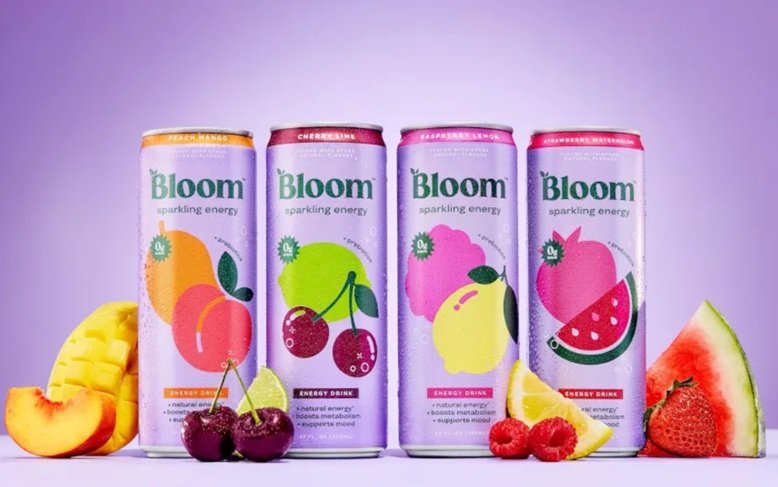
Bloom Energy Drink Flavors
One of the big draws of bloom energy drink is its variety of flavors. As of the latest update, these include:
- Raspberry Lemon
- Cherry Lime
- Peach Mango
- Strawberry Watermelon
- Juicy Orange (or Orange / “Juicy Orange”)
- Crisp Apple (added later, reportedly in late 2025)
Taste & Review of Flavors
Many reviews emphasize that, despite being zero-sugar and low-calorie, Bloom’s flavors are vibrant and “like sparkling juice” rather than a traditional sickly sweet energy drink.
For example, the Cherry Lime flavor is often cited as a standout for balancing tartness with sweetness and offering a refreshing fizzy sensation.
Overall, flavor reviews tend to be positive — users appreciate that bloom doesn’t taste overly artificial, and that the lack of sugar doesn’t make it bland or soda-water like.
Benefits of Bloom Energy Drink
Here are the main potential benefits of consuming bloom energy drink — assuming moderate and responsible use.
- Energy Boost & Alertness: With ~180 mg natural caffeine, bloom is strong enough to help fight fatigue, improve alertness, and support productivity or workouts.
- Smoother Energy, Fewer Crashes (maybe): Thanks to natural caffeine plus L-theanine and green tea extract, many users find the boost more gradual and the comedown gentler than with traditional sugary energy drinks.
- Zero Sugar, Low Calorie: Bloom has 0 g sugar and only 10 calories per can — a benefit if you’re watching your calorie or sugar intake.
- Added Nutrients & Wellness Extras: The presence of B-vitamins, prebiotic fiber, botanical extracts (green tea, lychee, ginseng) attempts to give more than just caffeine — potential antioxidant support, gut-health support (prebiotics), and enhanced mood or focus support.
- Metabolism Support (maybe): Some reviewers suggest that green tea extract, ginseng, or other botanical components may contribute to metabolism support or mild fat-metabolism advantages, though evidence remains preliminary.
In short — bloom energy drink aims to deliver a “functional energy drink”: not just a caffeine rush, but an energy + wellness combo.
Side Effects & Safety
No beverage is perfect for everyone. Here’s what to watch out for when consuming bloom energy drink.
Potential Side Effects
- High Caffeine: 180 mg is substantial. For caffeine-sensitive individuals or those who consume multiple caffeinated drinks in a day, this might cause jitteriness, increased heart rate, anxiety, or trouble sleeping.
- Artificial Sweetener (Sucralose): While zero-sugar, bloom uses sucralose. Some people dislike sweeteners, or may have digestive sensitivity to them.
- Unclear Dosage of Some Ingredients: Although ingredients like L-theanine, prebiotic fiber, ginseng, etc. are listed, bloom doesn’t always disclose the exact amounts for all — making it hard to know whether doses are enough to produce the expected benefits. As one dietitian review points out, this makes it difficult to rely on claims like “reduced jitters” or “gut benefits.”
- Not Suitable for Everyone: As with many energy drinks, bloom is likely not recommended for children, pregnant or nursing women, or individuals with certain health conditions (e.g. caffeine sensitivity, heart conditions). According to one retailer listing, the drink carries a caution: “Not intended for children; do not consume if pregnant or nursing.”
Use Moderation & Awareness
Given the caffeine dose and added stimulants, it’s smart to limit consumption to one can per day (or perhaps less if you also consume other caffeinated beverages). Also, avoid late-day consumption if you’re sensitive to caffeine.
As with any supplement or functional beverage, pay attention to your body. If you notice jitters, digestive discomfort, palpitations or other unwanted effects — it may be worth reducing frequency or avoiding altogether.
Price & Availability
- In the U.S., bloom energy drink initially launched exclusively at Target stores.
- Standard price per can appears to hover around US $2.48–$2.59 when bought singly at retail.
- Multipacks — e.g. 12-packs — are also sold online (e.g. via retailers like Walmart), often for around US $19.98 (i.e. ~$1.66 per can) depending on availability.
- Internationally, it is possible to find bloom energy drink through import sites. For example, as of recent listing, a bundle is priced around INR 3,194 on one such marketplace for Indian buyers — though transport/shipping costs and customs charges may apply.
Availability outside the U.S. may be limited, and shipping/import can raise the cost significantly.
Honest Consumer Reviews
What do real users and reviewers say about bloom energy drink?
Positive Feedback
- Many find that bloom tastes more like a fruity, sparkling soda than a harsh, overly sweet energy drink. The flavor profile — e.g. Raspberry Lemon or Cherry Lime — is often praised as refreshing and not overly artificial.
- The energy boost tends to be described as smooth and useful for productivity, workouts, or daily energy — but not overly jittery.
- For those avoiding sugar or watching calories, bloom offers a compelling alternative: 0 g sugar, 10 calories, and added vitamins/fiber.
Critical or Mixed Feedback & Concerns
- Some users find the sucralose sweetener noticeable or unpleasant. In one subjective but typical review: “I don’t particularly like the taste of sucralose … but it wasn’t overwhelming.”
- Others question how effective the additional “functional” ingredients really are — like L-theanine or botanical extracts — since amounts aren’t clearly disclosed.
- As with any energy drink, some people report side-effects: for instance, those sensitive to caffeine may experience jitters, trouble sleeping, or digestive issues.
- Because bloom is relatively new and has smaller distribution (compared to legacy brands), some buyers report supply issues or limited stocking in their area.
Overall — consumer sentiment seems more positive than negative, especially among those looking for a cleaner, sugar-free energy option.
Bloom vs Competitors
It’s useful to see how bloom energy drink stacks up against some of its rivals. Below is a comparison table vs a few other popular energy drinks.
| Brand / Drink | Caffeine (per can) | Sugar | Calories | Ingredient Focus / Notes |
|---|---|---|---|---|
| bloom energy drink | ~180 mg (natural) | 0 g | 10 kcal | Natural caffeine, prebiotic fiber, B-vitamins, botanical extracts, no sugar |
| Red Bull (standard can) | ~80 mg | ~27 g sugar (sugar version) | ~110 kcal (or more) | Classic formula, high sugar, straightforward caffeine boost |
| Monster Energy (regular) | ~160 mg | ~54 g sugar (sugar version) | High calories | Strong stimulant, sugar-heavy |
| Celsius (zero sugar versions) | ~200 mg (natural or synthetic depending on product) | 0 g sugar | Low-calorie | Fitness-leaning, often marketed as workout energy drink |
| Other premium energy drinks (various) | Varies widely (some 150–300 mg) | Mixed (sugar or zero-sugar) | Varies | Some focus on “clean caffeine,” others on “maximum stimulation” |
Takeaways (Bloom vs Others):
- Compared to sugary drinks like standard Red Bull or Monster, bloom offers a far cleaner profile: zero sugar, minimal calories, and added wellness-oriented ingredients.
- Compared to other zero-sugar / “clean label” energy drinks like Celsius, bloom holds its own — with respectable caffeine and a more wellness-forward ingredient lineup (prebiotics, botanicals, vitamins).
- The trade-off may be that some legacy brands offer more caffeine (or more aggressive stimulation), but at the cost of sugar, calories or more artificial ingredients. bloom seems to balance moderate-to-high caffeine with cleaner formulation and better nutrient transparency.
FAQs
Q: Is bloom energy drink healthy?
“Healthy” depends on context. Compared to traditional sugar-heavy energy drinks, bloom is a healthier alternative — zero sugar, low calorie, with added vitamins, prebiotic fiber, and natural caffeine. But like any caffeinated drink, it should be consumed in moderation, especially if you are sensitive to stimulants or have underlying health issues.
Q: Does bloom have sugar?
No. Bloom energy drink contains 0 grams of sugar.
Q: What is bloom energy drink made of?
Bloom is made of carbonated water, natural caffeine (from green coffee bean extract + green tea), prebiotic fiber, botanical extracts (lychee, Asian ginseng, green tea), L-theanine, B-vitamins, sucralose (sweetener), and other components like taurine, citric acid, preservatives.
Q: Is bloom safe for kids?
According to product labeling, bloom energy drink is “not intended for children.” Given its 180 mg caffeine per can, it would generally not be advisable for children.
Conclusion
So — is bloom energy drink worth trying? If you’re someone who wants a cleaner, low-sugar, functional energy drink — one that gives a real caffeine boost but avoids the heavy sugar crash or high-calorie load of traditional energy drinks — then bloom offers a very compelling option. With natural caffeine, prebiotics, botanical extracts, and B-vitamins packed into a fuss-free can, it presents a smart “energy + wellness” alternative.
That said, it’s still a caffeinated beverage: 180 mg is significant, and effects will vary by individual. If you are sensitive to caffeine or avoid artificial sweeteners, you may want to consider your tolerance first. As with any stimulant drink — moderation is key.
If you try bloom energy drink, I’d recommend starting with one can a day (or even half), paying attention to how your body reacts before making it a regular habit.
Also Read About:-) Bucked Up Energy Drink – Full Review, Ingredients, Flavors & Verdict


Post Comment